Old Chemicals and Batteries Handled the Right Way
Hazardous Material Removal in Sioux Falls for properties holding paint, solvents, batteries, and old chemicals that cannot go into a standard haul
Paint cans on a garage shelf, solvent containers in a shed, batteries in a basement corner—these items are common in older properties across Sioux Falls and the surrounding farm communities, often left behind by previous owners and sitting untouched because the current owner is not sure how to move them out legally. Cleanslate Moving & Hauling removes hazardous materials from properties in Sioux Falls, routing each item type to the correct disposal channel rather than mixing everything into a general load. The practical value of this is that one company handles both the hazardous material removal and any connected general cleanout, so the homeowner is not coordinating two separate services for the same property.
The critical distinction in hazardous material removal is segregation: batteries, paint, solvents, and other regulated items are never placed in the same load as general debris, because mixing them creates a disposal problem at the receiving end and in some cases creates a handling hazard in transit. Batteries and recyclable materials are taken to proper recycling drop-offs as a standard part of the job. Items that require a specific disposal channel are handled through that channel—not simply added to the truck and sorted out later.
Describe the types of materials at your property to Cleanslate Moving & Hauling so the correct handling approach can be confirmed before the job begins.
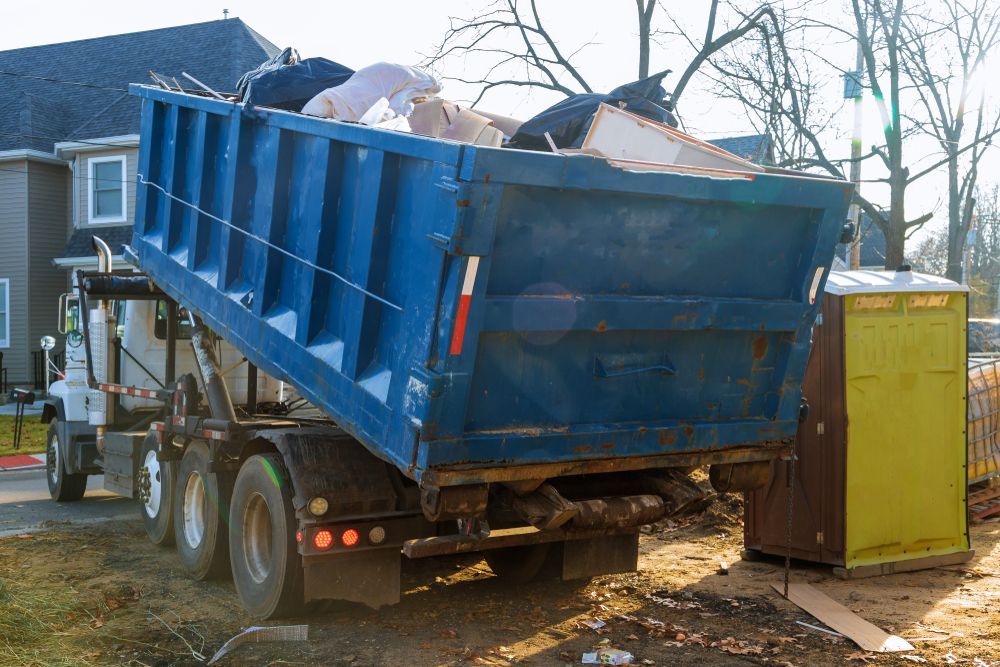
The Difference Between Proper Routing and a General Load
Older garages, sheds, and basements on farm properties and in small towns frequently hold a wide mix of materials: partially used paint from a renovation years ago, automotive fluids, dry-cell batteries, aerosol cans, and cleaning solvents accumulated over multiple decades of ownership. Each of these categories has a different disposal path. The work involved is identifying what is present, separating each type correctly, and moving each category through its designated channel—which is a different process than carrying out boxes and furniture.
After hazardous materials are removed, the area they occupied is clear, and the items are out of the property owner's responsibility. Nothing regulated is sitting in a general dumpster or mixed into a disposal load that will create problems further down the chain. For a property being cleared for sale, renovation, or tenant transition, removing those materials as part of the overall cleanout means the space is genuinely ready for the next step—not conditionally ready pending a second service call.
The scope of this service covers collection and proper routing of hazardous materials coordinated with a general cleanout or hauling job. Items that require licensed remediation contractors—such as asbestos abatement or fuel tank decommissioning—are outside this scope and would need a specialist. Knowing what is on site in advance lets Cleanslate Moving & Hauling confirm which items fall within the service before any work begins.
What Property Owners Ask About Hazardous Material Removal
The following questions address how hazardous material removal is carried out—what gets separated, why segregation matters, and what to do before the crew arrives at a property in Sioux Falls.
What types of materials are handled as hazardous rather than general debris?
Paint, solvents, automotive fluids, aerosol cans, batteries, and old chemical containers are the most common categories found in older garages and farm outbuildings, and each requires a separate handling path from general household junk.
Why can hazardous materials not simply be placed in the same load as regular debris?
Mixing regulated materials with general waste creates a disposal problem at the receiving facility and can constitute improper disposal—batteries and chemical containers in particular have to be separated at the point of collection, not after the fact at the dump.
How are batteries handled during a hazardous material removal job?
Batteries are separated from the general load and taken to a recycling drop-off as part of the standard process—this applies to household batteries, rechargeable packs, and similar items found during the cleanout.
What should a property owner do before the crew arrives to remove hazardous materials?
Identifying the location of known hazardous items in advance—and noting any containers that are leaking or damaged—allows the crew to bring appropriate handling supplies and confirm the correct disposal channel for each material type before starting.
How does hazardous material removal work alongside a general property cleanout in Sioux Falls?
When both types of removal are needed, the hazardous items are identified and segregated first during the walkthrough, then pulled separately during the cleanout so they never enter the general load—both jobs are completed in the same service visit where volume permits.
Cleanslate Moving & Hauling also removes hazardous materials in Brandon, Tea, Harrisburg, Hartford, and Dell Rapids. To confirm what materials are present and how the job would be structured, call Cleanslate Moving & Hauling LLC at (605) 799-6886 before the crew is dispatched.