Debris Gone Before the Next Trade Arrives
Construction debris removal in Sioux Falls for remodel and renovation sites producing mixed loads on short notice
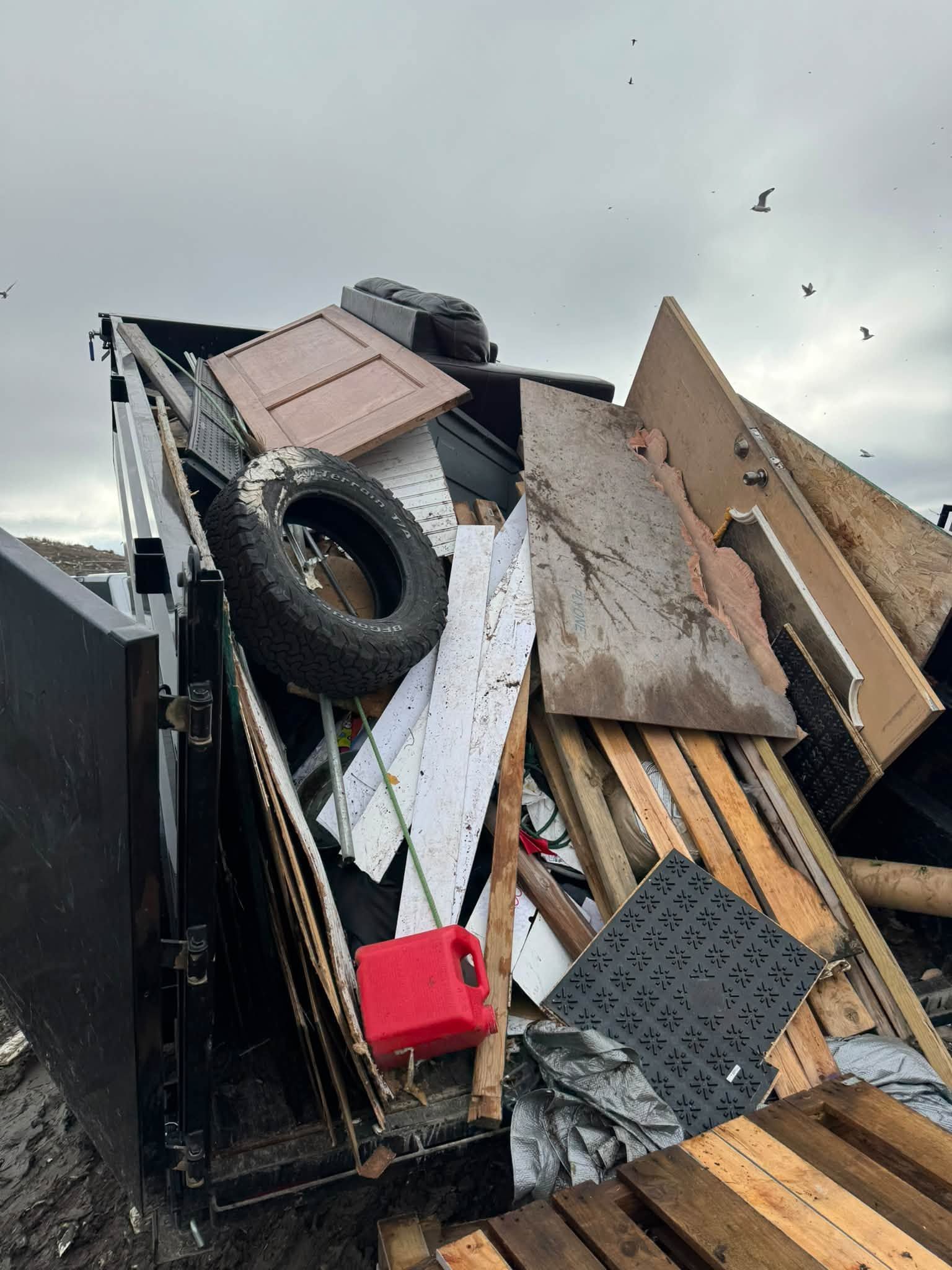
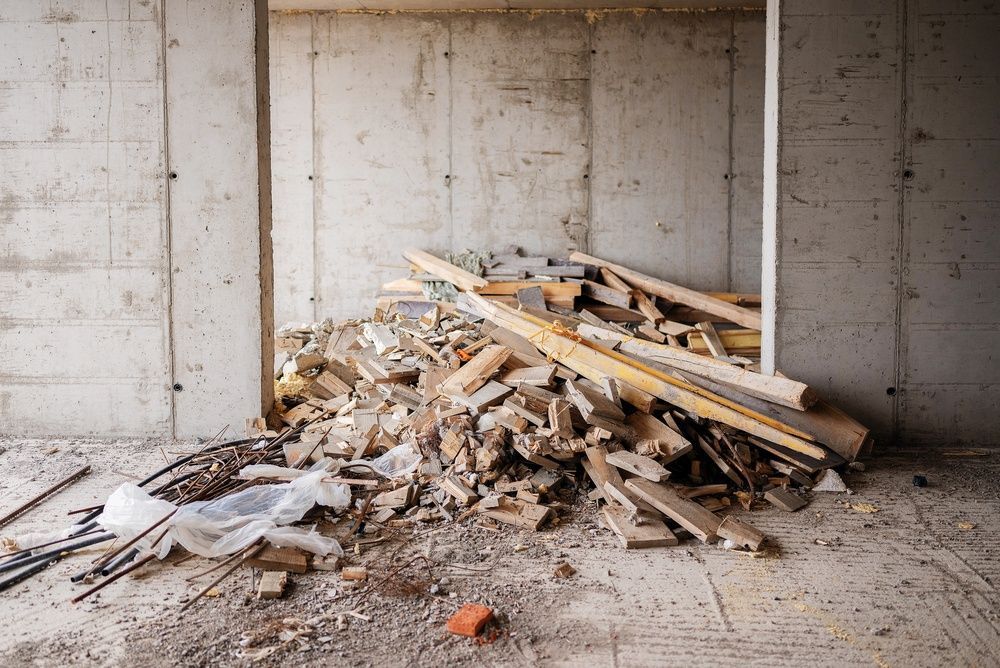
Drywall scraps, pulled flooring, framing cutoffs and torn-out insulation accumulate faster than most remodel timelines account for, and a debris pile that sits too long becomes a scheduling problem for the next trade on site. Cleanslate Moving & Hauling LLC removes construction debris in Sioux Falls, working around the contractor's schedule so material is hauled when it needs to go, not when it becomes convenient. Metals, batteries and AC units are separated from the general load for recycling, and usable materials are diverted to donation before anything goes to the dump.
Before loading begins, the crew confirms material type and volume to establish whether the job runs in a single load—the goal on most jobs—or requires a staged approach. Mixed loads from older Sioux Falls homes undergoing renovation typically contain a combination of drywall, original flooring material and structural lumber, and the separation of recyclable metals happens during loading rather than at the dump, so the recycling actually occurs rather than being lost in a combined pile. The crew is built into a working relationship with a roofing contractor for ongoing debris work, which is a sign of how the scheduling coordination functions in practice.
Contact Cleanslate Moving & Hauling LLC with the material type, approximate volume and your site schedule to confirm whether a single-run haul fits the job.
What Construction Debris Removal Actually Accomplishes
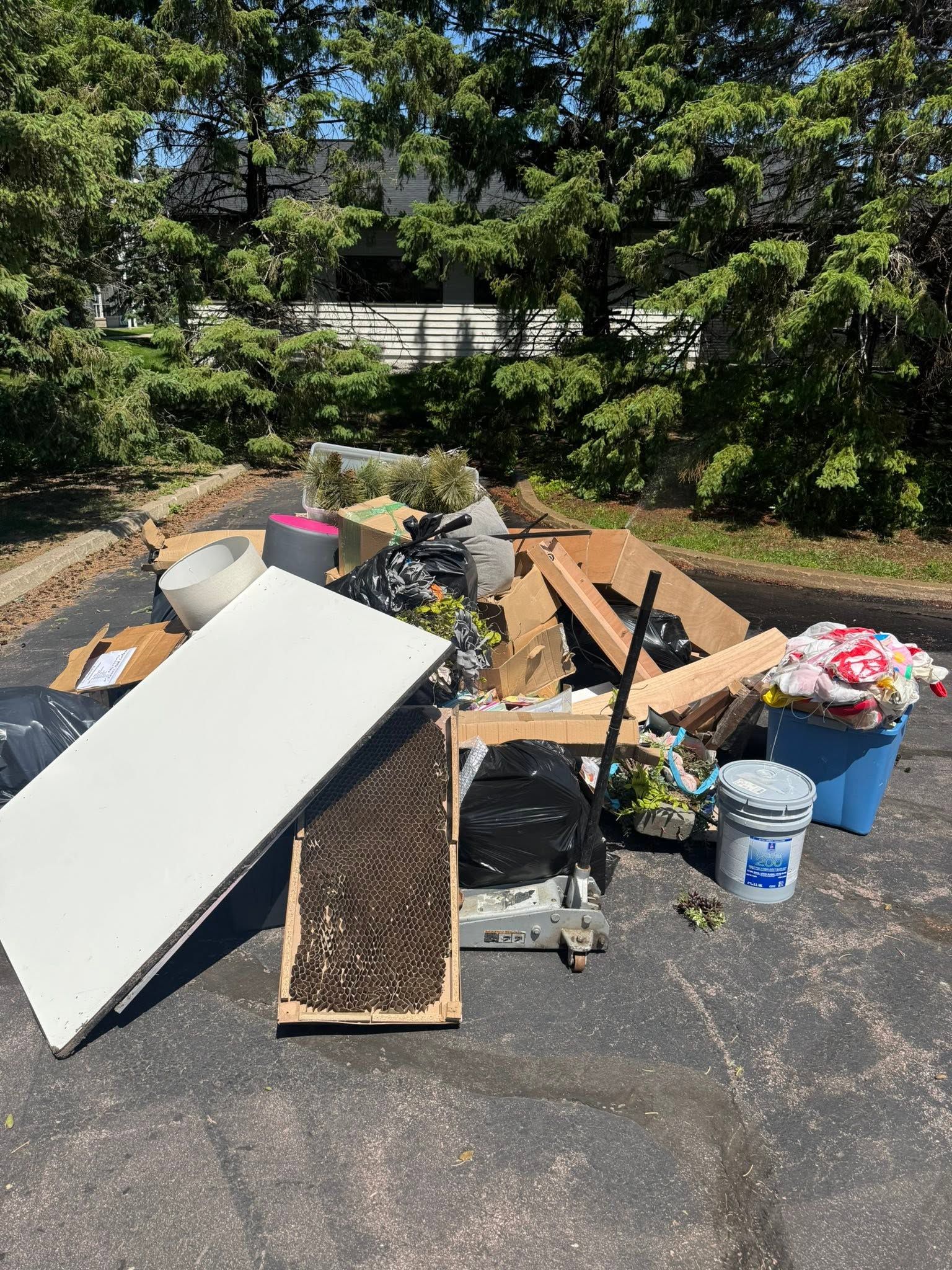
A debris removal job done correctly is not just a matter of loading a truck. The crew evaluates what is in the pile before loading—not because the material is sorted for resale, but because metals, batteries and AC units require a different disposal path than general construction waste. An AC unit going to a landfill without refrigerant recovery is a regulatory problem, not just an inconvenience, and separating it on site is the step that keeps the load compliant. The Hartford and Dell Rapids areas see remodel work across a range of older commercial and residential structures where that material mix—copper wire, old HVAC components, drywall, flooring—shows up regularly in the same load.
When the crew finishes, the site is clear of the debris that was identified in the initial confirmation. What the contractor or property owner notices is a workable site again—no pile occupying the path between trades, no mixed material left in a corner. Usable salvage that was separated during loading has gone to donation rather than waste, which matters for contractors tracking material diversion on a project.
The crew aims to reach the dump before closing on the same day the debris is loaded, so the material is fully off site within the visit. Jobs that produce a volume requiring more than one run are scheduled with that constraint in mind, so the timing does not catch the dump closed mid-haul.
Answers About How the Work Is Done
These questions cover the specifics of how construction debris is identified, separated and hauled, and what the site looks like once the job is finished.
Why are metals and AC units handled separately from general debris?
Metals are recyclable and carry value as scrap, while AC units contain refrigerants that require separate handling under disposal regulations—mixing them into a general dump load bypasses both the recycling path and the compliance requirement.
How does the crew determine whether the job fits in a single load?
The material type and volume are confirmed before loading begins; drywall, flooring and framing from a typical residential remodel usually consolidate into one run, while commercial renovation loads with heavier structural material may require a staged approach.
What should a contractor do to prepare the site for a debris pickup?
Identifying the material in the pile—specifically whether AC units, batteries or other regulated items are present—and confirming the access path for loading helps the crew plan the separation and sequencing before they arrive.
How does debris removal work around an active renovation schedule?
The crew coordinates the haul timing with the contractor so removal happens between trades or at the end of a work day, keeping the site functional rather than requiring a full stop for loading.
What does a correctly completed debris removal job look like on site?
The confirmed pile is fully loaded and gone, recyclable metals and regulated items have been separated rather than dumped with general waste, and the work area is accessible for the next phase of the project.
Cleanslate Moving & Hauling LLC also removes construction debris in Brandon, Tea, Harrisburg, Hartford and Dell Rapids. Describe the material type, site access and your timeline to Cleanslate Moving & Hauling LLC, and the crew will confirm whether a single-run haul covers the job.