Bulky Loads Moved and Disposed of Correctly
Hauling services in Sioux Falls for bulky items, yard waste and construction materials that need same-day dump disposal
Properties on the outskirts of Sioux Falls and in nearby towns accumulate yard waste, old household items and leftover building materials that are too large or heavy for a standard trash pickup but not organized enough to warrant a full junk removal walkthrough. What those jobs need is a crew that loads the material by hand, secures the load properly, and reaches the dump within the same day. Cleanslate Moving & Hauling LLC provides hauling in Sioux Falls for exactly that scope—bulky loads handled start to finish, with recyclables and usable items separated before anything goes to the dump.
Loading time on a hauling job is shaped primarily by two factors: how much of the material can be carried directly versus items that require two people, and how clear the path is from the material to the truck—stairs, gates, door width and distance from the pile all affect pace. The crew secures the load before transport rather than relying on volume to hold material in place, which matters when the load includes mixed items of different weights and shapes. The crew works on a regular schedule with the Sioux Falls dump and typically finishes before it closes, so the material is fully disposed of within the same visit.
Describe the material, approximate volume and site access to Cleanslate Moving & Hauling LLC so the crew can confirm whether the job fits a single run.
Why Load Securing and Timing Shape a Hauling Job
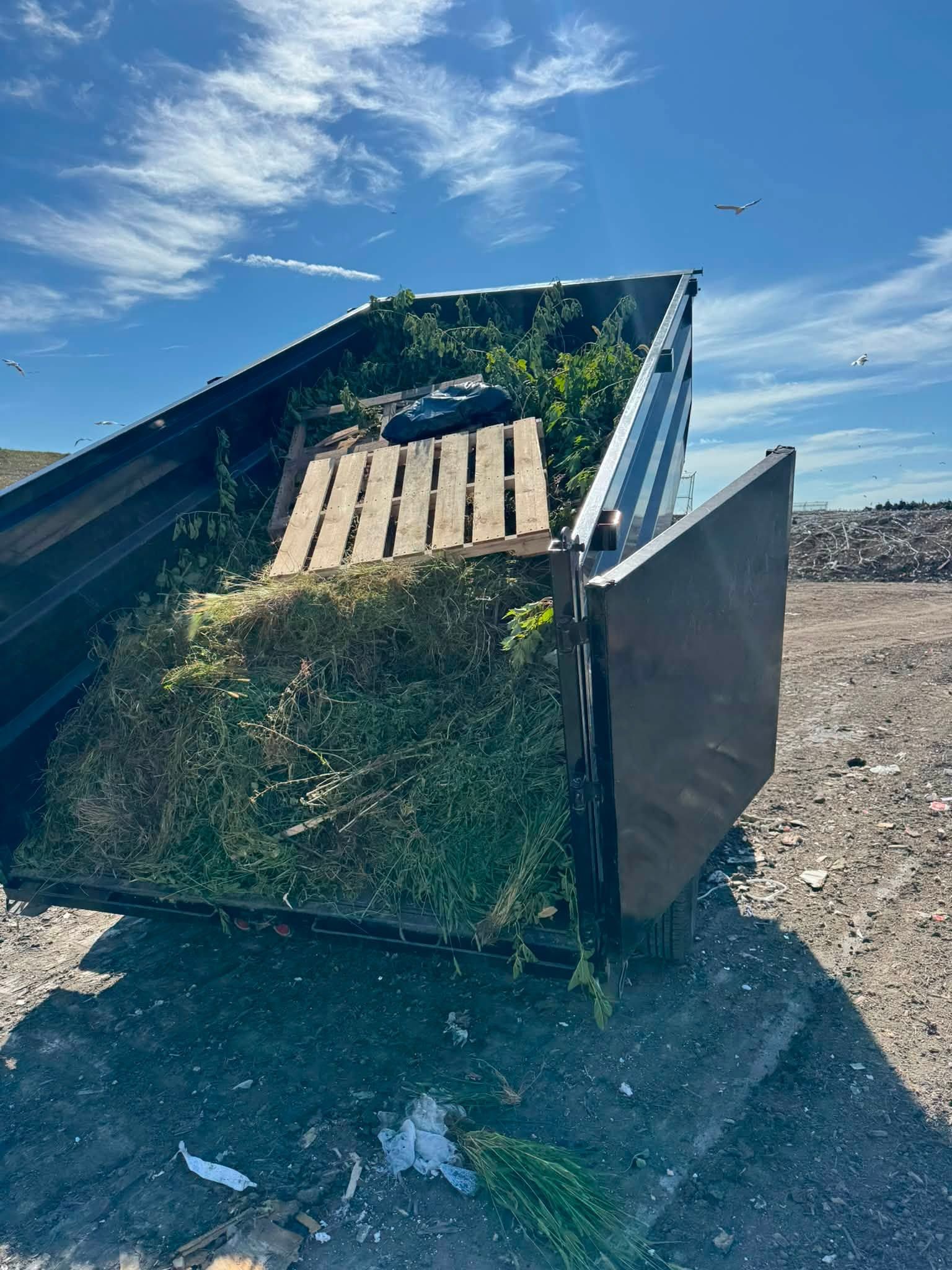
A hauling job produces two failure points that are easy to overlook: an unsecured load that shifts during transport and creates a safety issue on the road, and a run that does not reach the dump before closing, leaving material in the truck overnight. The Cleanslate Moving & Hauling LLC crew addresses both by securing the load after it is built and by timing the run against the dump's schedule rather than treating closing time as an afterthought. Recyclables are pulled out during loading, not at the dump gate, so the separation is real rather than nominal.
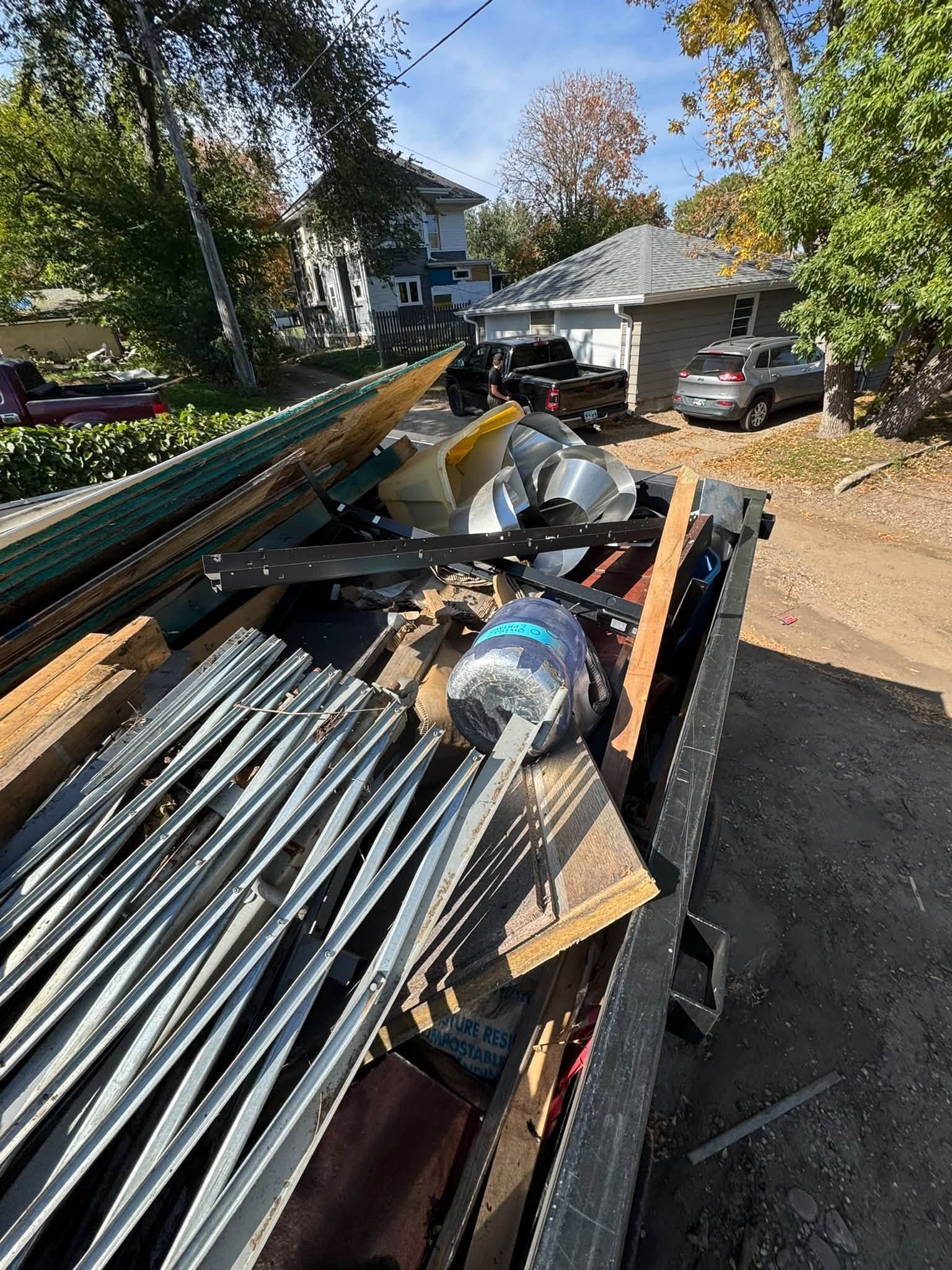
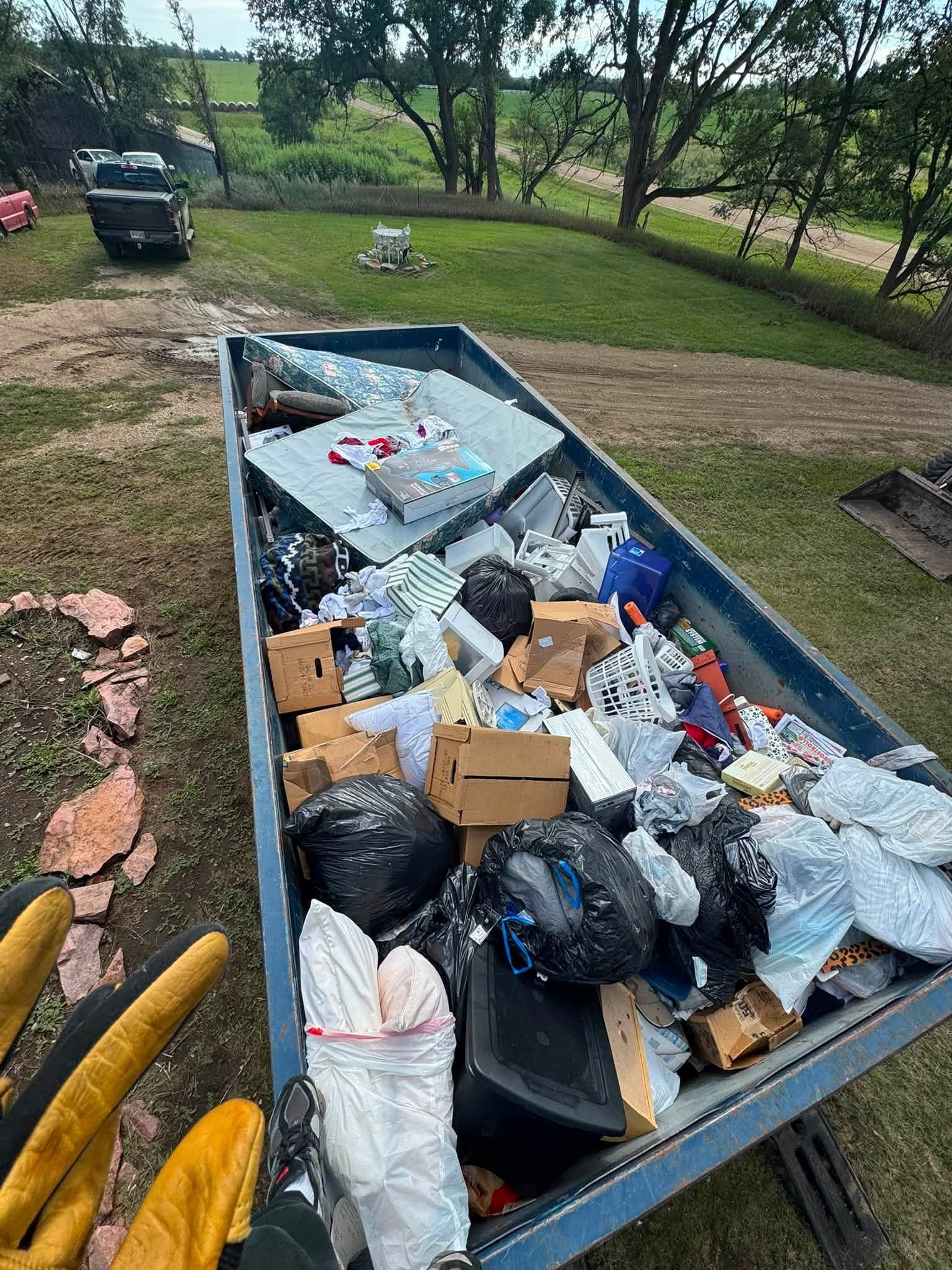
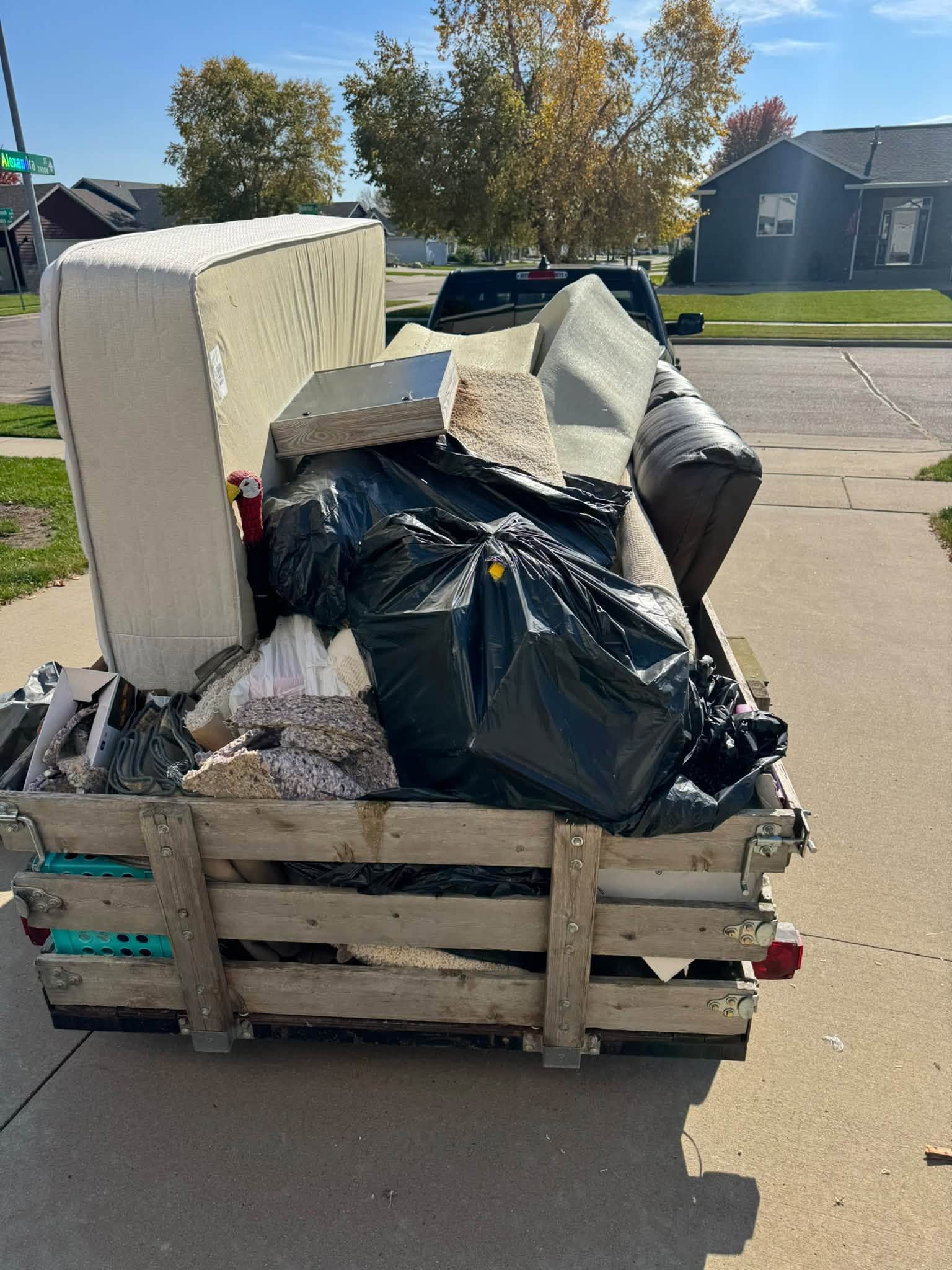
After the haul is complete, the material is off the property—not staged at the curb, not partially loaded, but gone. What you see is the cleared area where the pile or accumulated items were sitting, and the load has reached the dump within the same day rather than being left to the next available trip. For properties in and around Sioux Falls that accumulate yard waste and large household items faster than a single person can address, that same-day resolution is the practical difference between a cleared property and a recurring project.
Hauling can cover a range of material types in a single run—yard waste, old furniture,
scrap lumber, bagged debris—and the crew separates recyclables and usable items from the general load regardless of material mix. Jobs where access is limited by a narrow gate, a long carry distance or a staircase take longer to load than open-access jobs, and identifying those conditions in advance allows the crew to plan the sequence correctly.
What Homeowners Ask About Hauling Work
These questions focus on how hauling jobs are loaded, secured and completed, and what affects how the work is sequenced from arrival through dump disposal.
How does the crew determine whether a hauling job fits in one run?
The crew assesses the material type and approximate volume before loading; most residential hauling jobs involving yard waste, furniture and loose debris consolidate into a single run, while large construction material loads may require a staged approach.
What makes loading take longer on some hauling jobs than others?
Carry distance, stair count, gate width and whether items can be moved by one person or require two all directly affect loading pace—a pile accessible from an open driveway loads significantly faster than the same volume stored in a basement or behind a narrow gate.
How are recyclables separated during a mixed-load hauling job?
Recyclable materials are pulled out during loading rather than after the truck is packed, so they reach a recycling drop-off rather than being buried under general waste at the dump.
Why does reaching the dump before closing matter for a hauling job?
A crew that does not finish at the dump before it closes either leaves material in the truck overnight or returns the next day, which means the job is not fully completed within the original visit—a scheduling and logistics problem on properties that need the space cleared.
What should you do at the property to make a hauling pickup run efficiently?
Confirm the access path to the material—gate codes, whether a driveway can fit the truck, and whether items are inside or outside—and note any items that should not be loaded so nothing in the pile is accidentally hauled.
Cleanslate Moving & Hauling LLC also provides hauling in Brandon, Tea, Harrisburg, Hartford and Dell Rapids. To confirm the scope and plan the run, give Cleanslate Moving & Hauling LLC the material type, site access details and your preferred date.